
Renting a home or commercial space in the UAE is usually smooth but when things go wrong, tenancy disputes can become stressful and costly. Whether you’re a tenant or a landlord, understanding your legal rights under UAE tenancy law is essential to avoid being taken advantage of.
At The Law Firm, we specialize in resolving tenancy issues quickly, fairly, and in full compliance with Dubai and UAE rental regulations.
What Are Tenancy Disputes?
Tenancy disputes occur when tenants and landlords disagree over issues related to the rental contract. Common causes include:
- Rent increases or reductions
- Eviction notices
- Maintenance responsibilities
- Security deposit return
- Early termination of contract
- Illegal subletting
- Non-payment of rent
These issues are governed primarily by Dubai Tenancy Law No. 26 of 2007, as amended by Law No. 33 of 2008.
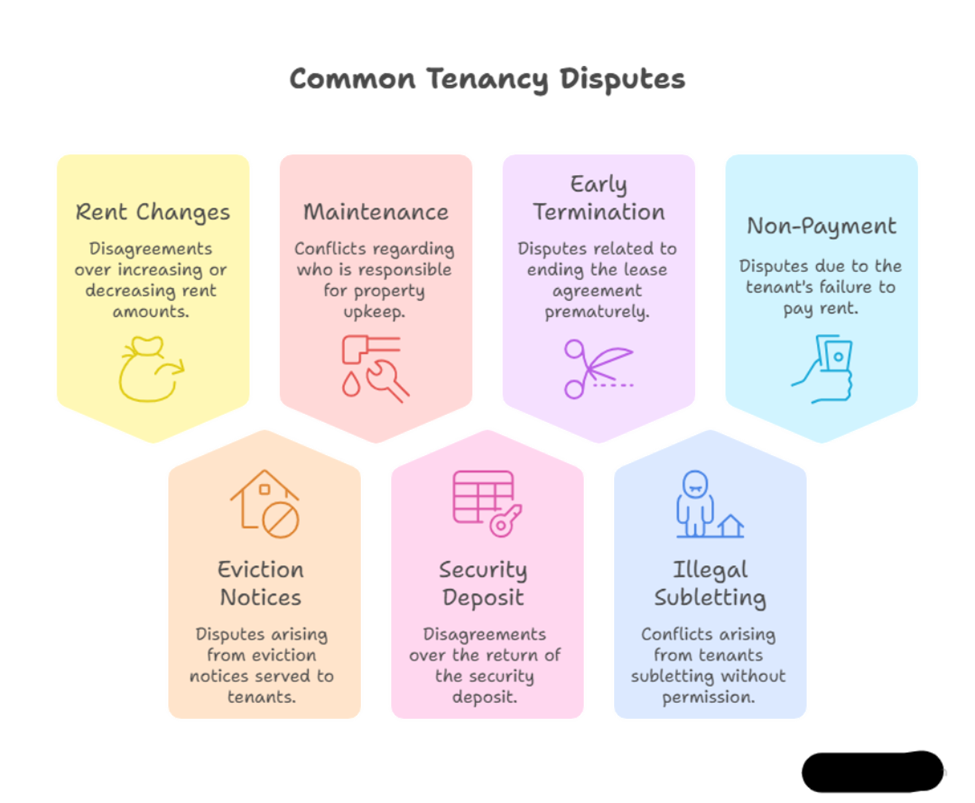
Common Causes of Tenancy Disputes in the UAE
Rent Hike Disagreements: Landlords can only increase rent within limits set by RERA’s Rent Index. Any unjustified increase is considered illegal.
Property Maintenance :Tenants often argue that landlords are not fulfilling maintenance responsibilities, especially for AC, plumbing, and electrical issues.
Evictions Without Cause :You can’t just be kicked out overnight. Proper notice (usually 12 months) is legally required, and it must be served via notary or registered mail.
Security Deposit Conflicts :Many tenants struggle to get their full deposit back due to disputes over wear-and-tear vs. damage.
Your Rights as a Tenant in the UAE
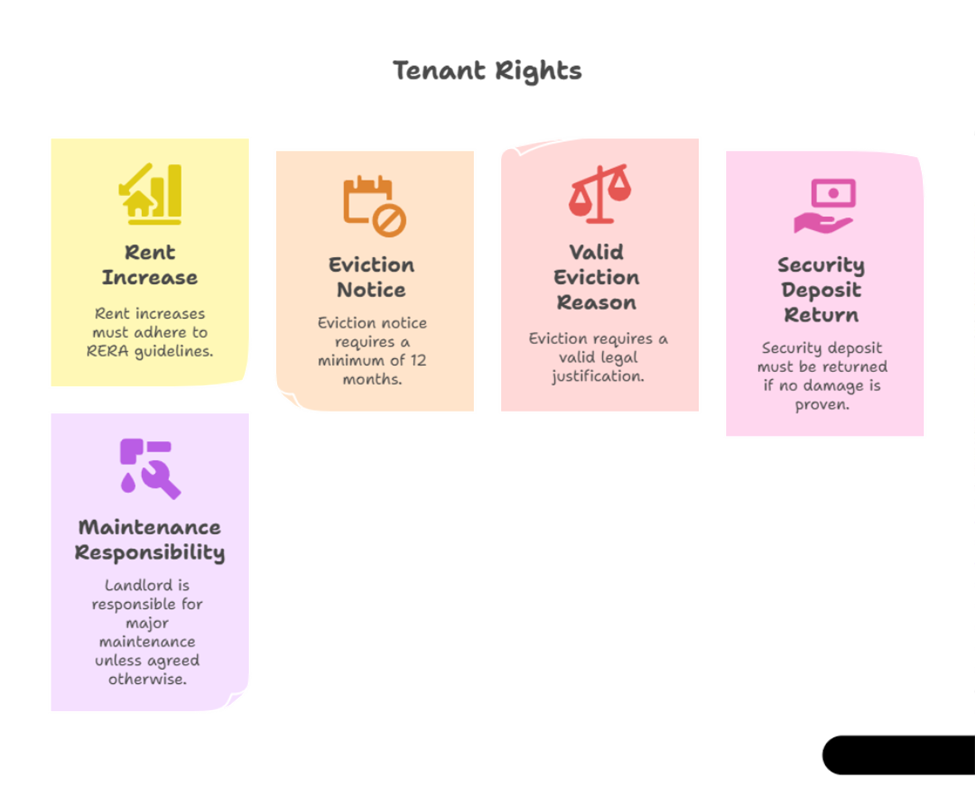
As a tenant, you have strong legal protections under UAE law. Key rights include:
- Rent increase must comply with RERA guidelines
- Eviction notice must be at least 12 months in advance
- You cannot be evicted without valid legal reason
- Security deposit must be returned if no damage is proven
- Landlord is responsible for major maintenance unless agreed otherwise
How to File a Tenancy Dispute in Dubai
If a dispute arises, you can file a complaint with the Dubai Rental Disputes Center (RDC):
- Prepare your documents (Ejari, contract, ID, photos, communication)
- Visit RDC or submit online through Dubai REST app
- Pay a small fee (usually 3.5% of annual rent, capped)
- Attend hearings with both parties present
- Receive a binding judgment
RDC rulings are enforceable by law, and appeals are allowed in certain cases.
How The Law Firm Can Help You
We’ve helped hundreds of tenants and landlords resolve disputes quickly and effectively. Here’s how:
- Legal review of your tenancy contract
- Representation during RDC hearings
- Drafting and responding to legal notices
- Negotiating settlements
- Appeals and follow-up enforcement
Whether you’re dealing with an unreasonable eviction, unfair rent hike, or deposit dispute, we’ll fight to protect your rights.
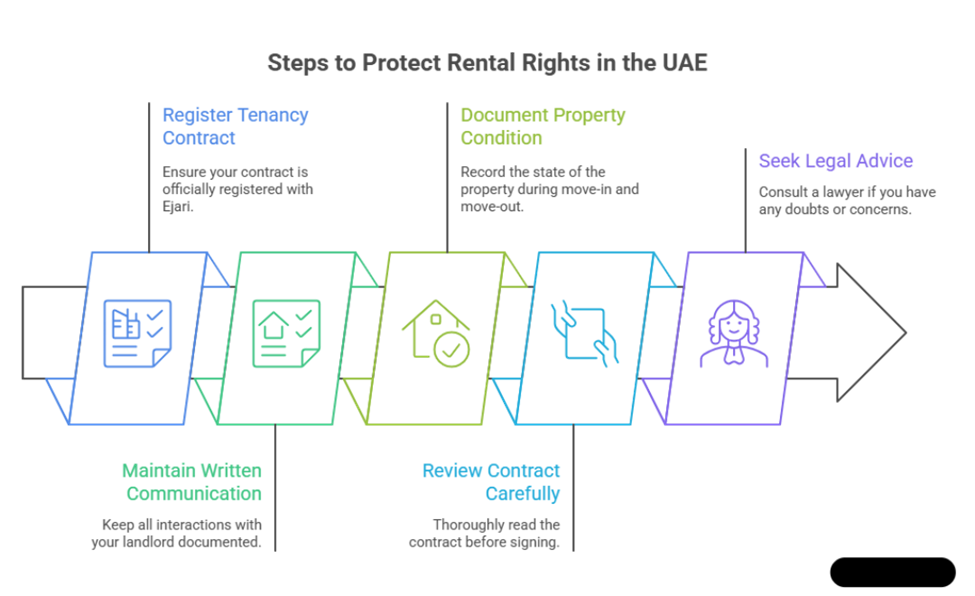
Tips to Prevent Tenancy Disputes
- Register your tenancy contract with Ejari
- Keep all communication with your landlord in writing
- Always document property condition during move-in/out
- Read your contract carefully before signing
- Get legal advice if anything seems unclear or unfair
Conclusion
Tenancy disputes in the UAE can feel overwhelming, especially if you’re new to the country or unsure of your rights. But with the right legal support, you can resolve conflicts confidently and ensure you’re treated fairly.
At The Law Firm, we offer clear, affordable legal solutions for all your rental needs — from drafting lease agreements to fighting unfair eviction cases.
Contact us today for a confidential consultation and let us protect your rental rights in Dubai and across the UAE.
FAQs
Q1: Can a landlord evict me without any reason in Dubai?
No, evictions require valid legal reasons and 12 months’ written notice.
Q2: What should I do if my landlord won’t return my deposit?
You can file a tenancy complaint at the Rental Disputes Center (RDC) and provide proof of property condition.
Q3: How often can rent be increased in Dubai?
Once a year, and only if it complies with RERA’s Rent Index and is properly notified.
Q4: Who pays for AC repairs tenant or landlord?
Major repairs like compressor or duct issues are usually the landlord’s responsibility, unless stated otherwise in your contract.
Q5: Do I need a lawyer for a tenancy dispute in Dubai?
While not mandatory, a lawyer can help speed up the process, strengthen your case, and improve your chances of success.